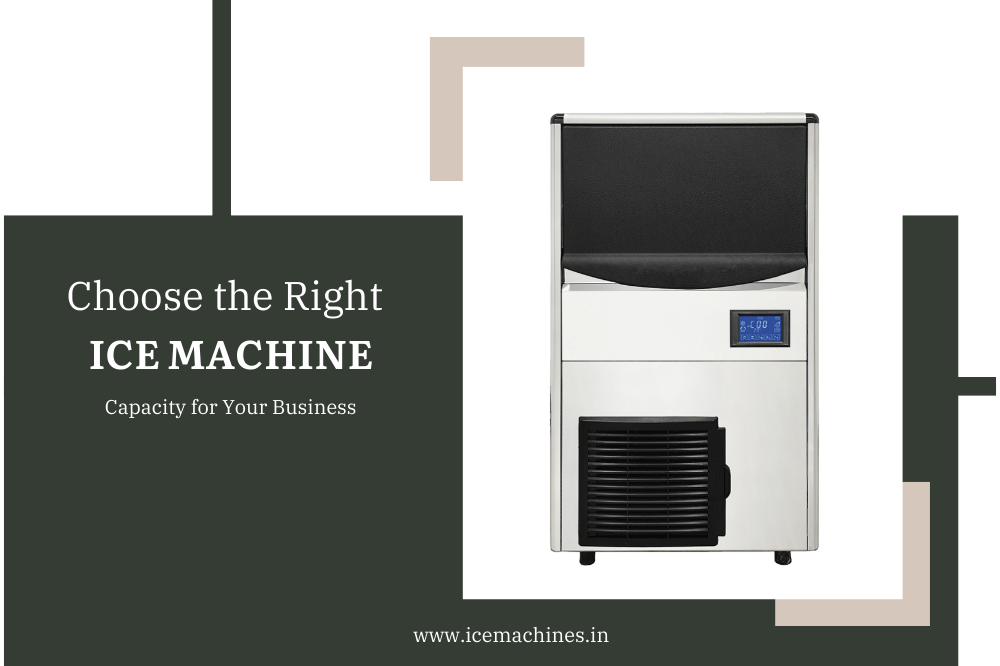
Choosing the right ice machine capacity can make a huge difference in your daily operations. Whether you’re running a cafe, restaurant, hotel, or catering business, having enough ice on hand—without overinvesting in unnecessary capacity—is key to smooth service, customer satisfaction, and operational efficiency.
Let’s break down everything you need to know about selecting the right-sized ice cube machine for your specific business needs.
How to Choose the Right Ice Machine Capacity for Your Business
Choosing the right ice machine capacity can make a huge difference in your daily operations. Whether you’re running a cafe, restaurant, hotel, or catering business, having enough ice on hand—without overinvesting in unnecessary capacity—is key to smooth service, customer satisfaction, and operational efficiency.
Let’s break down everything you need to know about selecting the right-sized ice cube machine for your specific business needs.
Why Ice Machine Capacity Matters for Your Business
Undersized machines result in ice shortages during peak hours, forcing you to buy expensive ice externally. Oversized machines may lead to higher electricity bills and wasted storage space. Selecting the right ice capacity ensures you meet demand without overspending on production or energy.
Factors That Affect Your Ice Cube Demand
1. Seating Capacity and Footfall
The number of customers you serve daily directly impacts your ice requirements. A small café serving 50 customers a day will need much less ice than a 100-seater restaurant operating at full capacity.
2. Type of Beverages Served
If you serve chilled beverages, cocktails, mocktails, smoothies, or iced coffees, your ice demand will be higher than establishments that serve mostly hot drinks or bottled beverages.
3. Ice Usage Beyond Drinks
Don’t forget about other ice uses like buffet food displays, seafood counters, bottle chilling, or medical storage. These can significantly increase total ice requirements.
4. Peak Hours vs. Average Hours
Estimate how much ice is used during your busiest hours. A machine with a low hourly output could fail to keep up, even if its total daily capacity seems sufficient.
How to Calculate Daily Ice Usage
Here’s a simple formula to estimate:
Number of customers x Ice required per person per day = Total Daily Ice Demand
For example:
- 100 customers x 0.5 kg ice per person = 50 kg/day needed
This gives you a baseline to match with the machine’s daily production capacity.
Types of Businesses and Their Ideal Ice Machine Sizes
1. Cafés and Small Bars
These businesses typically need 20–40 kg of ice per day. Machines in this category are compact, energy-efficient, and perfect for countertop use.
2. Full-Service Restaurants
Depending on table turnover and beverage types, restaurants usually require 50–100 kg/day. Choose machines with slightly higher output to account for buffer stock during rush hours.
3. Hotels and Banquet Halls
With round-the-clock room service and large-scale events, daily needs can exceed 150–200 kg. Undercounter or modular machines with storage bins are a must.
4. Ice Delivery and Packaging Businesses
These require 300 kg/day and above. Heavy-duty gourmet or dice-shaped ice machines are ideal here, paired with industrial-grade storage and packing setups.
Common Ice Machine Capacities (with Example)
| Capacity (kg/day) | Suitable For |
| 20–30 kg | Home bars, cafes |
| 40–60 kg | Small restaurants, coffee shops |
| 100–200 kg | Large restaurants, hotels |
| 300+ kg | Ice packaging, event venues |
These capacities give you a rough idea of what to expect when shopping for a machine.
Tips for Choosing the Right Size Without Overbuying
1. Factor in Future Growth
If you’re expecting customer growth or seasonal peaks (like summer rush), choose a machine with at least 20–30% more than your current daily demand.
2. Consider Storage Bin Capacity
Some machines can produce a lot of ice, but don’t store much. Always ensure the storage capacity matches the production rate to avoid melt loss.
3. Don’t Forget Maintenance and Power Supply
Higher-capacity machines need better ventilation and stable power. Make sure your premises can support the machine’s kW rating and cleaning routine.